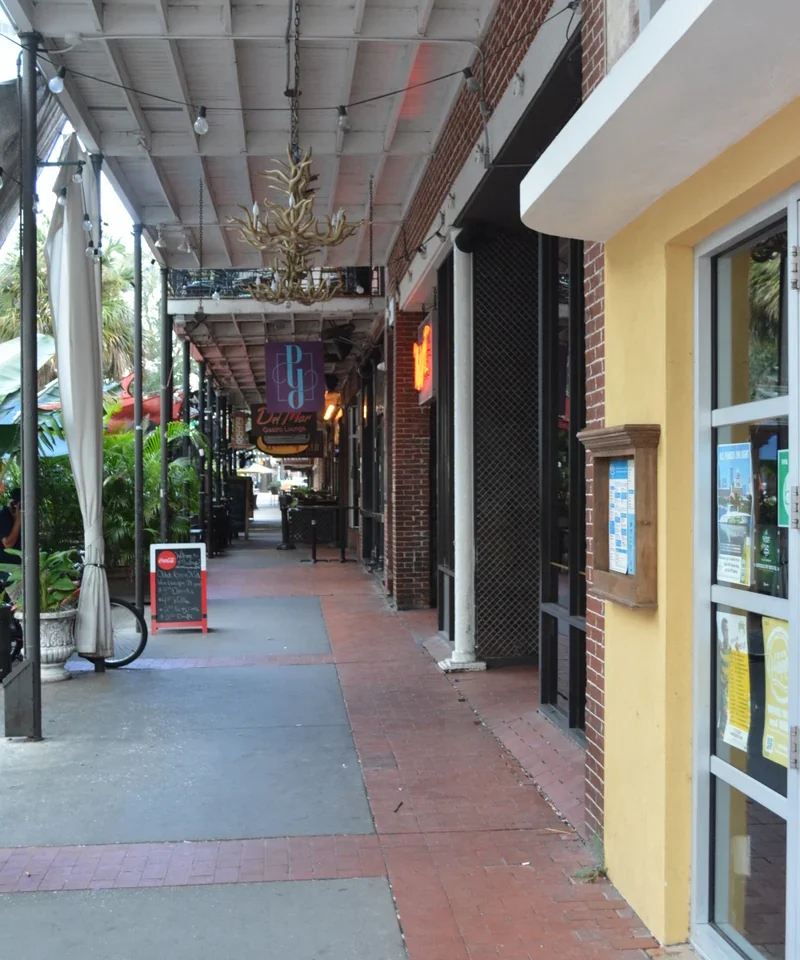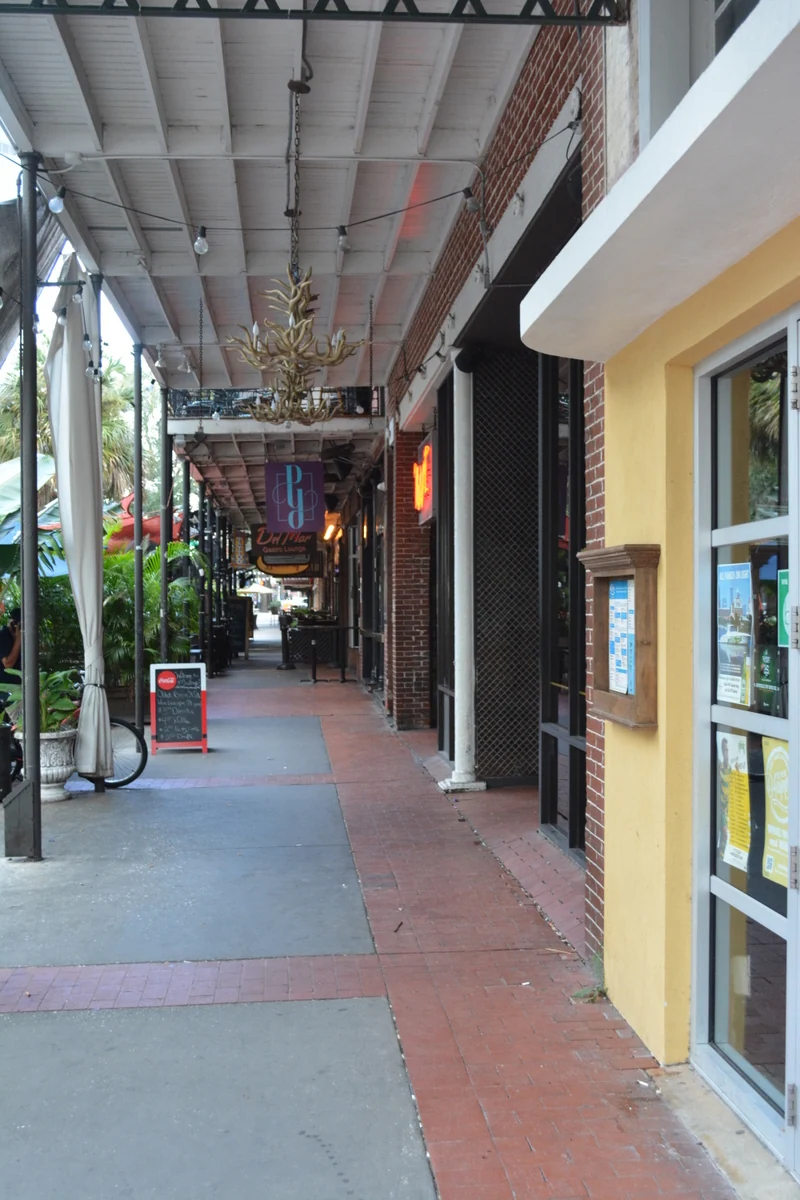
Start with the right place. This guide is about St. Petersburg, Florida, the city on Tampa Bay. St. Pete Beach and Clearwater Beach are separate destinations in the wider region. They can be part of a broader trip, but the journey between them should be planned rather than assumed.
Once the geography is clear, decide what would make a satisfying city day for you. It might be an art collection, a street-level walk or a garden visit. Choose that anchor before filling the rest of the page.
Separate fixed arrangements from possibilities
Put anything with a specific entry or meeting arrangement into your plan first. Leave the surrounding hours as options. This makes it easier to respond if a visit runs longer than expected, the weather changes or you simply want a slower afternoon.
- Pick a subject you want to spend time with.
- Check its current practical details.
- The correct address and entrance.
- The particular admission or reservation.
- Visitor notices and access information.
- Add one flexible idea nearby.
- Leave room for a meal or a proper pause.
Check the actual journey
Read a route at the scale you will use it. A map pin does not tell you everything about a crossing, an entrance or the final approach. Use current city and operator information if you plan to travel by public transport or rely on a particular parking arrangement.
Think about the return journey as well as the arrival. It is easy to plan enthusiastically at the start of the day and forget that you may want a simpler trip back later.
Keep one alternative
Choose another idea that does not depend on the first. It could be a shorter walk, a different subject to read about or time to sit and decide what comes next. An alternative should reduce pressure, not become another obligation.
A useful test: if removing one stop makes the day feel more enjoyable, it probably did not need to be there.
Let your base support the plan
Compare where you will stay with the places you expect to spend time in. Read the actual address and arrival instructions instead of relying on a broad neighborhood label. Our guide to choosing a base offers a practical set of questions.
For a cultural anchor, start with a museum day. For a different pace, read a greener city interval.
Sources for the details

Private St. Petersburg Mural and Street Art Tour by Golf Cart
This experience includes multiple photo stops, giving you plenty of time to step off the cart, pose in front of icon...

St Petersburg Ultimate (ALL-IN-ONE) City Trolley Tour
• FREE admission to the St. Petersburg Museum of History • FREE tastings at the award-winning St. Pete Distiller...

St Petersburg Distillery Tour and Tasting Experience
Join us for a behind-the-scenes journey at St. Petersburg Distillery, where time-honored traditions meet bold, creat...
The city visitor resources and regional destination organization are useful starting points. Confirm changing information with the organization responsible for the particular place or service. This guide offers a planning approach, not a timed or guaranteed itinerary.